Review
Pharmacist validates the prescription, patient, medicine, dose, route and schedule before billing.
Keep payment and tax records simple. On the same bill, route only pharmacy-flagged medicines through a picture-led verification before the bag can be handed over.
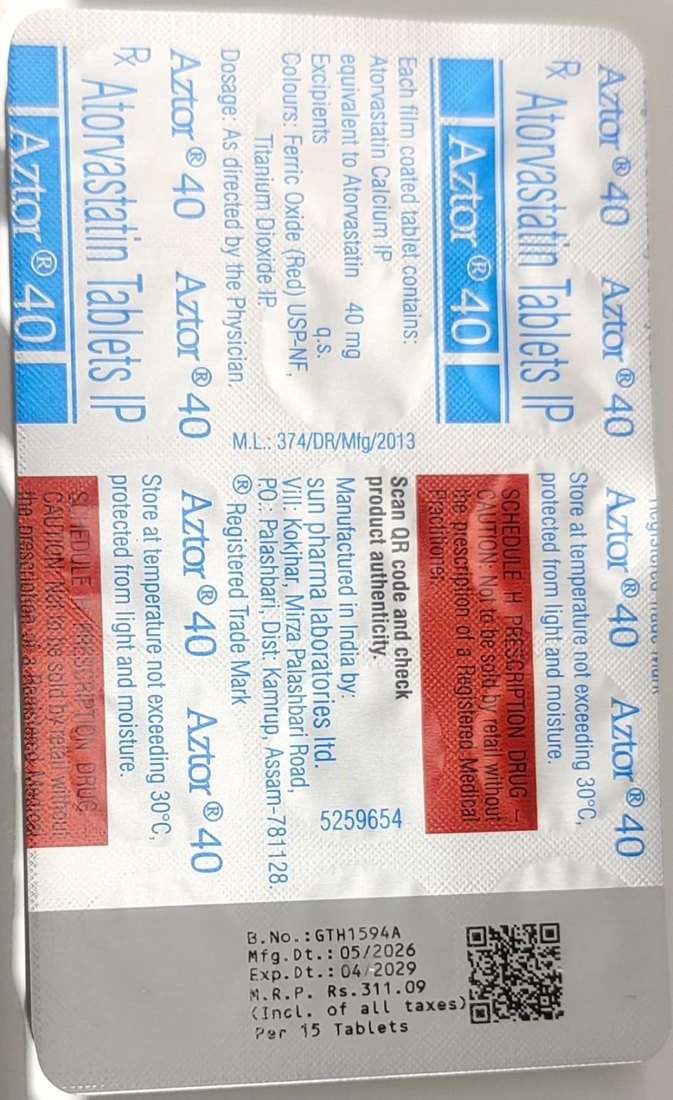 Aztor 40 mg
The safety idea is sound: extra friction should apply only where it reduces harm. The invoice split is the weak part. Two legal invoices do not verify the medicine and can add refund, GST, payment and reconciliation complexity.
Standard lines pass normally. Enhanced-check lines are highlighted, pictured and locked until verified. One invoice number, one payment, one customer record.
This separates accounting, not risk. Use separate invoices only when there are genuinely separate supplies, deliveries, customers or transactions and the pharmacy's accountant approves the flow.
The control belongs at product selection and final handover—the moments when a wrong pack can still be caught.
Pharmacist validates the prescription, patient, medicine, dose, route and schedule before billing.
Every item remains on one serial invoice. The system marks registry-matched lines for enhanced checking.
Keep one patient at a time. Flagged packs go into a distinct verification tray or bag section.
Scan the bill. Match the actual pack to medicine, strength, dosage form, quantity and expiry—using the reference image as support.
All flagged lines confirmed: hand over and record the check. Mismatch: stop, re-pick and log the near miss.
All three suggestions strengthen the workflow when they separate physical handling without splitting responsibility for the customer or the sale.
Review the prescription and confirm stock first; then create one invoice before staff pick the medicines. “Billing first” must not mean charging before validation.
A second customer counter adds handoffs and wrong-patient risk. Start with a pharmacist verification station behind the same customer journey.
Place flagged packs in a neutral, numbered pouch inside the main order. Keep it open until verification; seal it only after every flagged line passes.
The system should be quiet for ordinary baskets and unambiguous when intervention is required.
Cough syrup, ORS, gel and a multivitamin. No item matches the pharmacy's enhanced-check registry.
Aztor 40 mg sits beside ordinary items. The screen shows the 40 mg strip, blue band, quantity and the sibling strengths it must not be.
The staff member taps “Wrong strip.” Handover remains locked until the pack is replaced and the correct item is confirmed.
The second example is visually split for fulfilment, but it is still one invoice with one amount payable.
A picture alone is a memory aid, not proof. Production needs identity, traceability and controlled exceptions.
Versioned list with reason, medicine, strength, dosage form, image owner, review date and approval history.
Prefer manufacturer barcode/GTIN matching where available. Never treat a reference photo as a replacement for label inspection.
Store invoice, flagged line, staff identity, timestamp, registry version, result and override reason. Do not claim a log exists until a backend records it.
No handover while any flagged item is pending or wrong. Re-pick, re-scan and record the near miss for review.
Use a second qualified checker for selected high-alert medicines—not as a rushed signature on every flagged line.
Confirm patient identity and use teach-back for dose, frequency, duration and important warnings. The image check does not replace counselling.